In short
- Working hot water shows the boiler lights, so the fault is usually after the burner, not in it.
- The common causes are the controls, the diverter valve, the pump, trapped air and low pressure.
- Check the programmer, the room thermostat and the radiator valves before assuming a breakdown.
- A system that keeps losing pressure is losing water somewhere. Get it looked at; topping it up only hides the problem.
- Never take the boiler casing off or work on gas parts. That is work for an engineer on the Gas Safe Register.
When the hot water is fine and the radiators stay cold, the boiler is lighting and making heat. That rules out a long list of faults and leaves the parts that decide where the heat goes: the controls, the valve that sends hot water one way or the other, the pump and the pipes it travels through.
Below are the likely causes in the order worth checking, with the safe checks kept separate from the work that needs an engineer.
Start with the controls
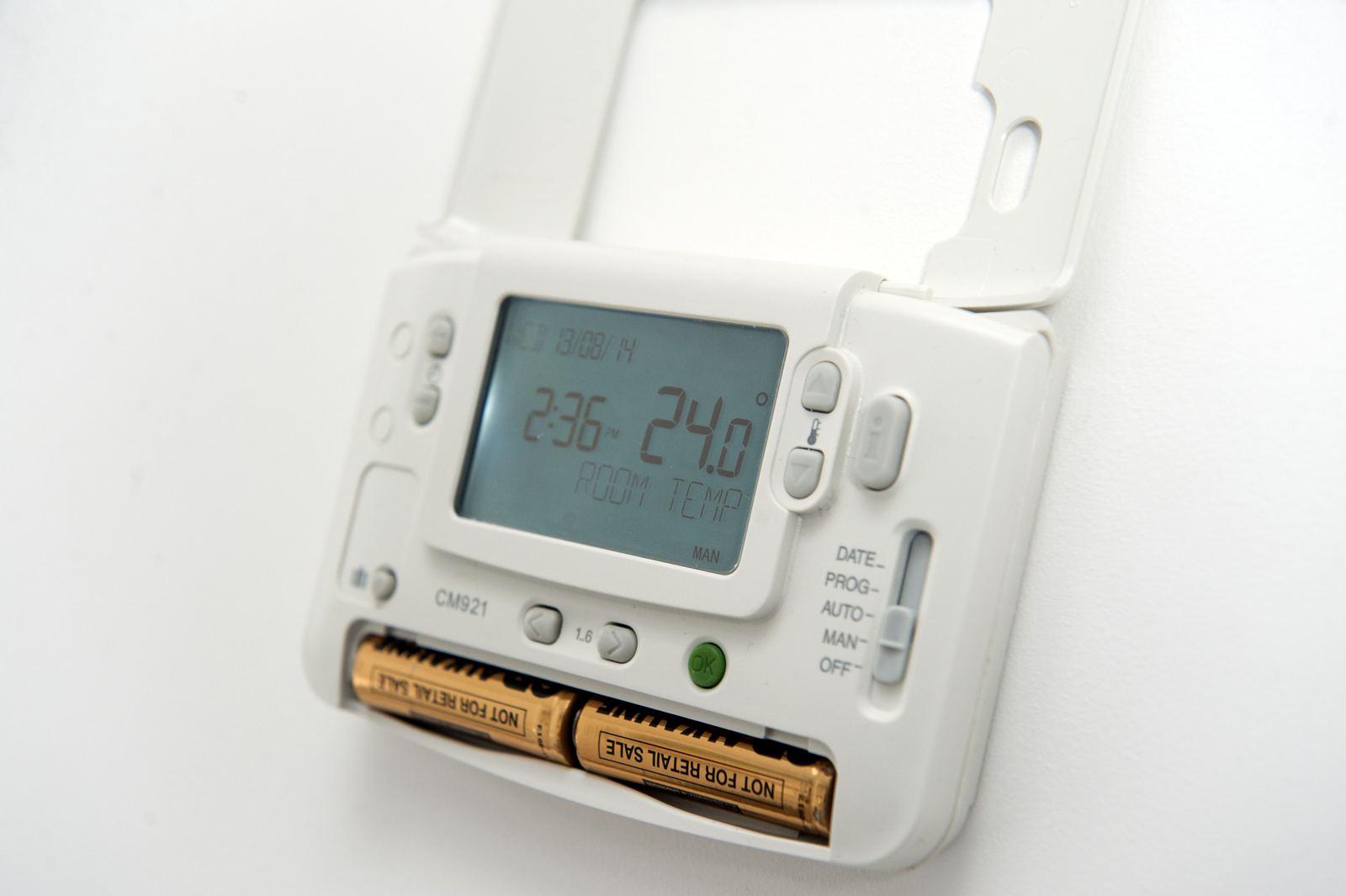
More heating problems start at the programmer than anywhere else. Check that the heating channel is switched on as well as the hot water, that the schedule has not reset after a power cut, and that any holiday or summer mode is off.
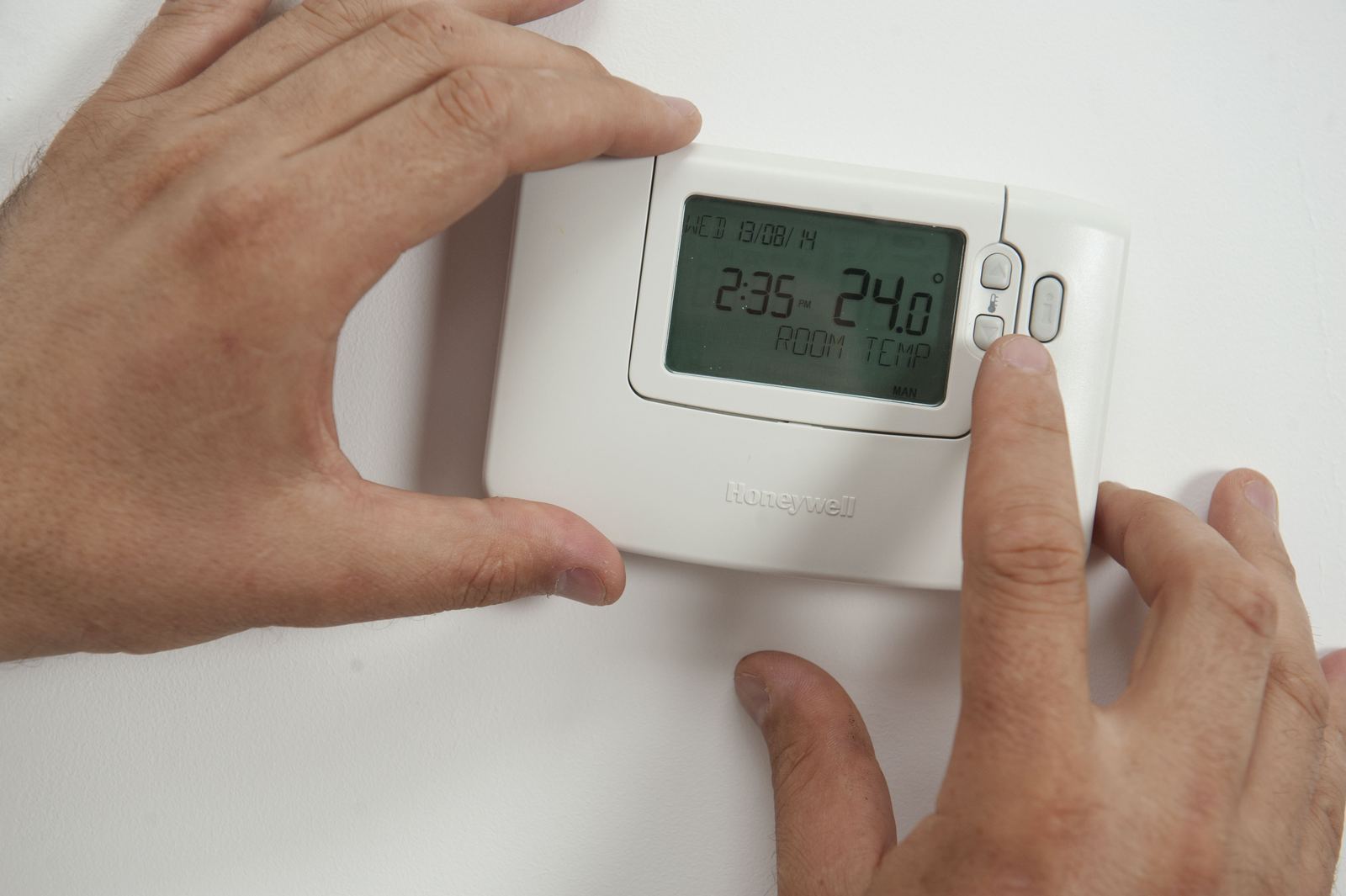
Then check the room thermostat. Turn it well above the room temperature and listen for a click. A wireless thermostat with flat batteries looks exactly like a dead boiler from the radiator end.
Check the radiator valves
If every radiator is cold, the valves are unlikely to be the cause. If some are cold and others warm, they often are. Thermostatic valves can stick shut, especially after a summer unused.
Take the head off a cold radiator valve and look at the pin underneath. If it is pressed in and will not spring back, the valve is stuck. It is a common, inexpensive repair, but it is work on a sealed system, so it needs the right tools.
Pressure and trapped air
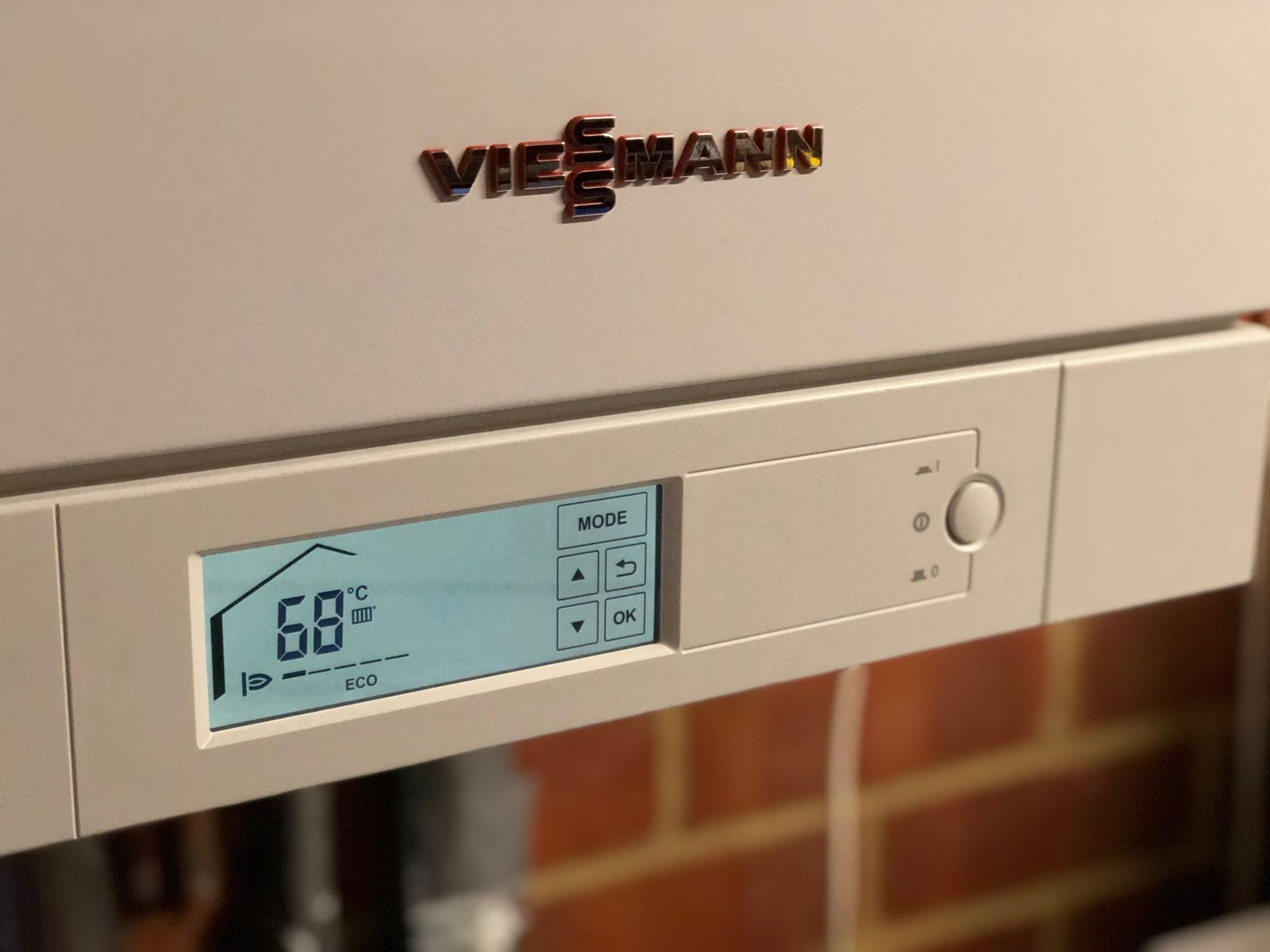
Look at the pressure gauge on the boiler. Most sealed systems sit around one to one and a half bar when cold; the exact figure is in the manual. Well below that, the boiler may refuse to run the heating at all.
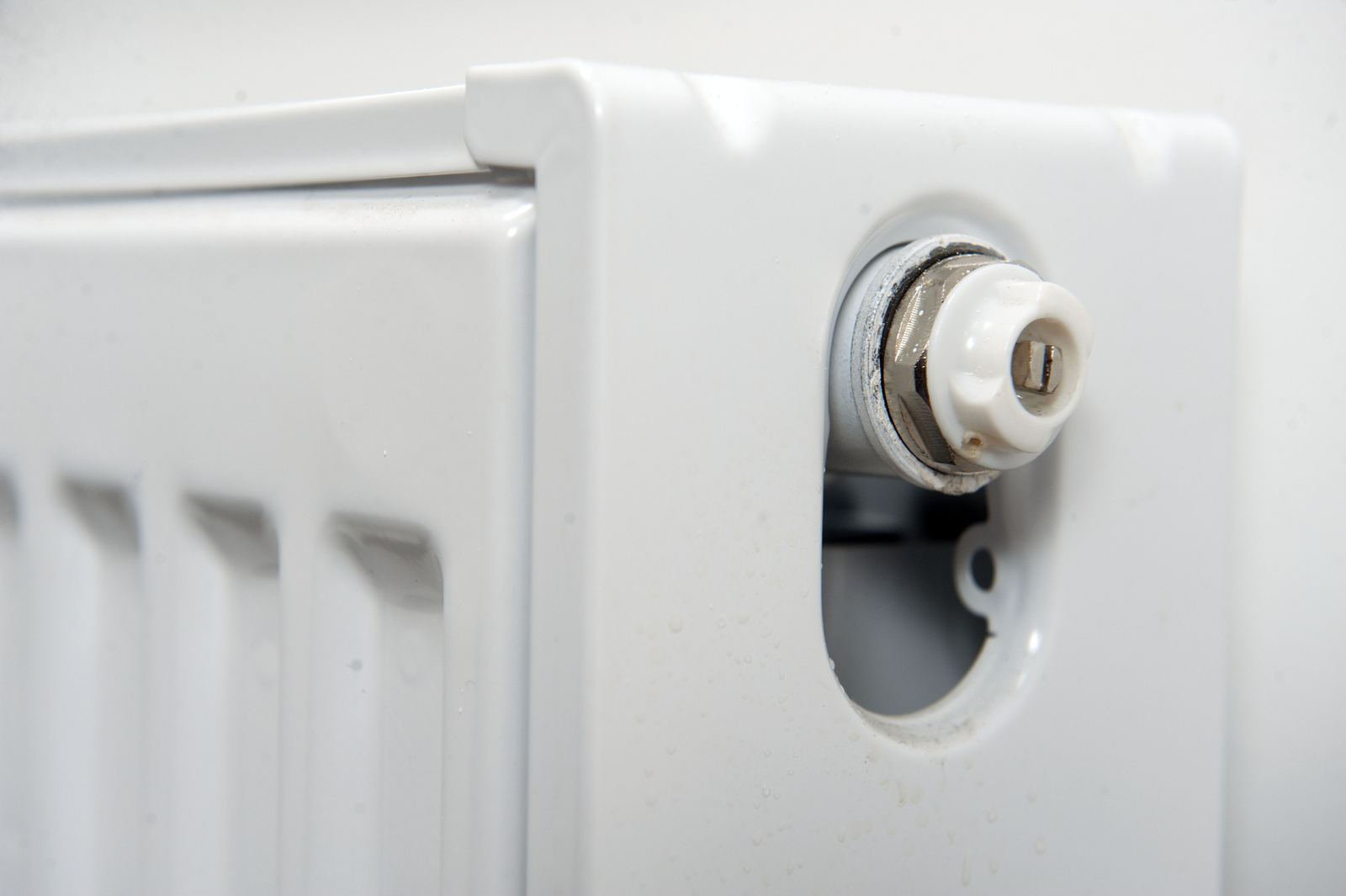
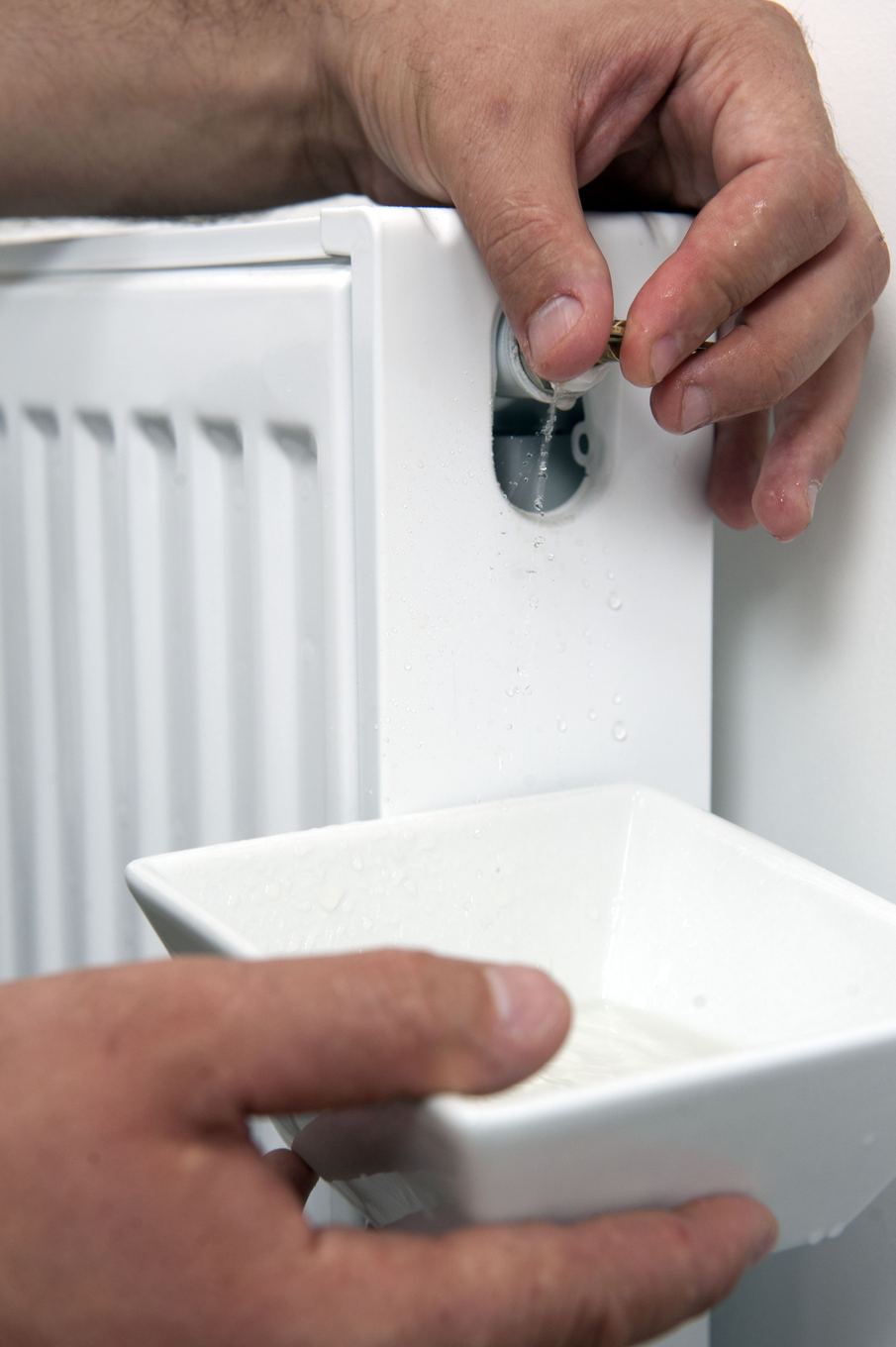
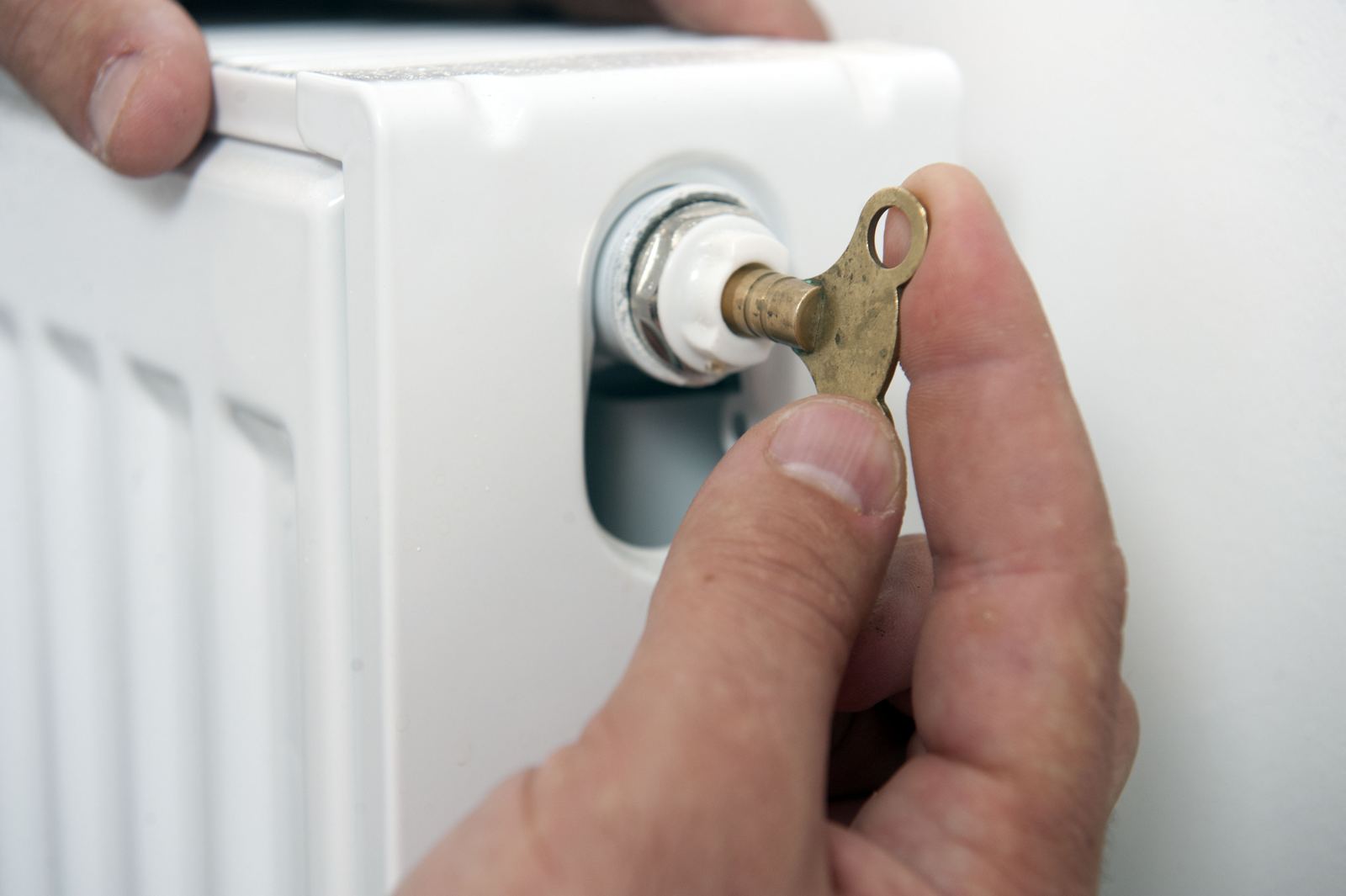
Air behaves differently. A radiator cold at the top and warm at the bottom has trapped air, which bleeding releases. Cold at the bottom and warm at the top means sludge, which needs the system cleaning.
If the pressure keeps dropping after you top it up, stop and get it looked at. Water is leaving the system somewhere, and topping up again and again adds fresh water that speeds up corrosion.
The diverter valve
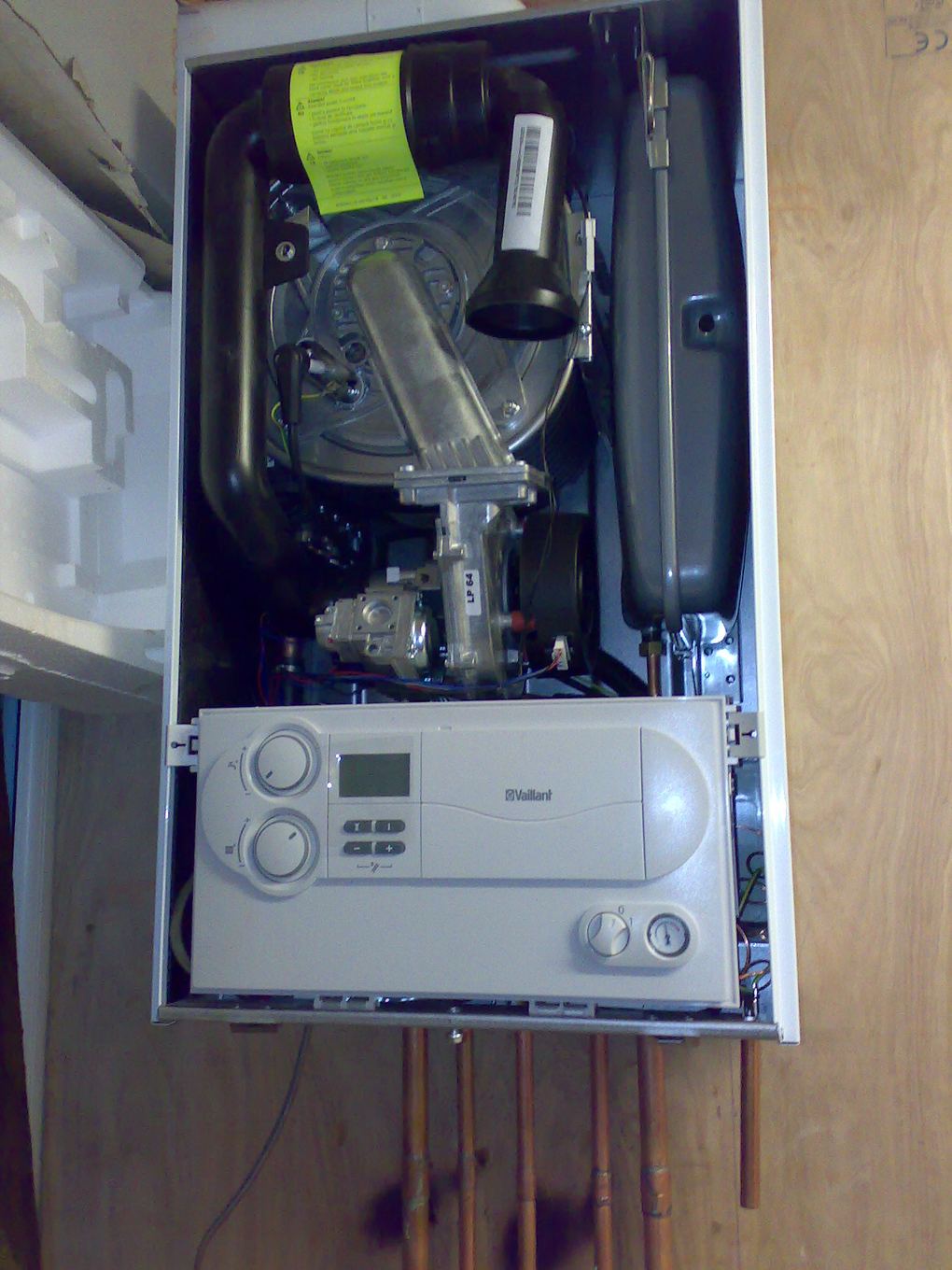
On a combi, one valve decides whether heat goes to the taps or the radiators. When it sticks on the hot water side, you get exactly this symptom: perfect hot water, no heating.
It is a common, well-understood repair, but it sits inside the boiler. Finding it means testing the valve rather than guessing, and that is work for an engineer with the casing off.
The pump
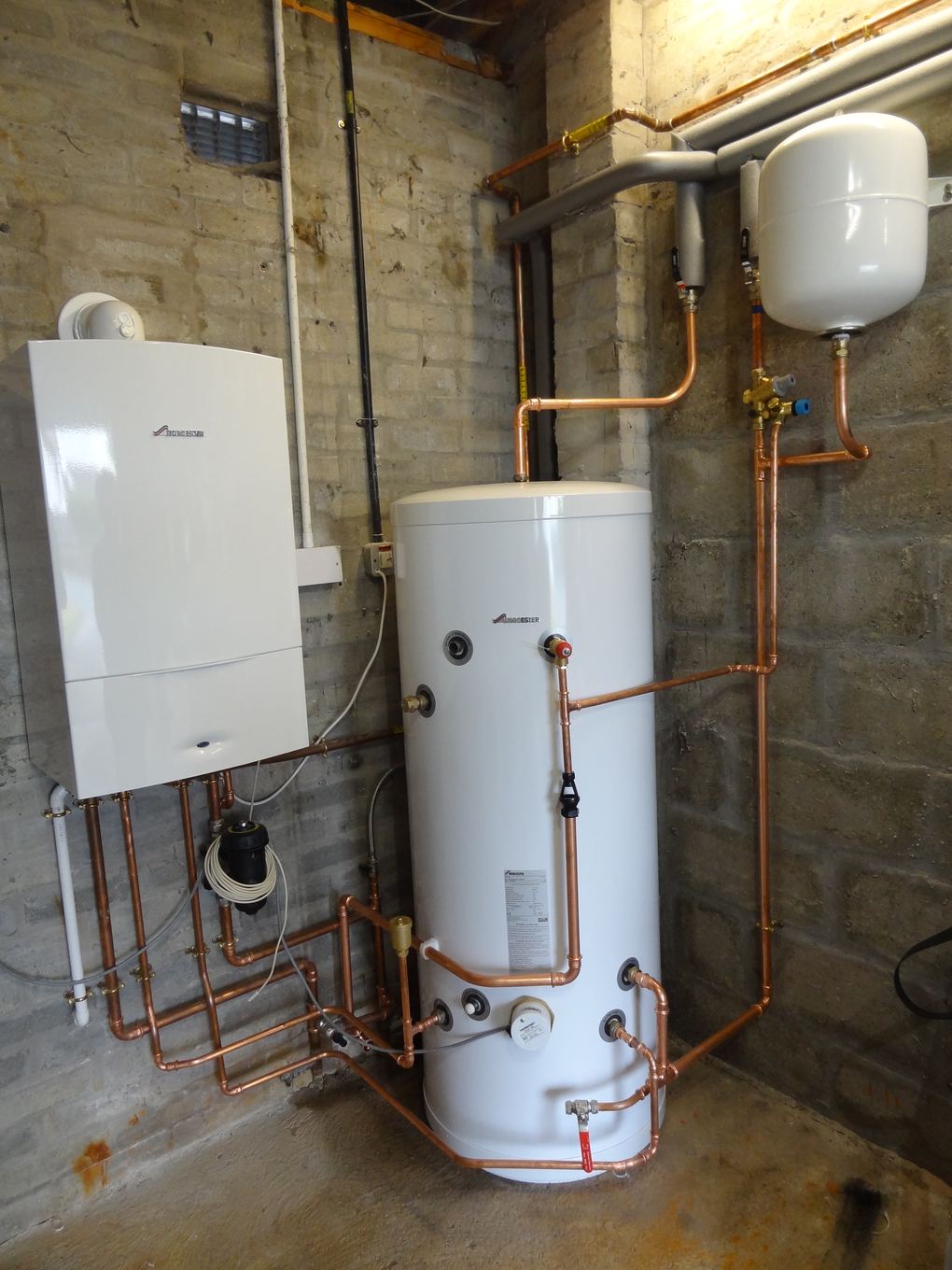
On a system or regular boiler, the pump may be a separate unit near the cylinder. A pump that has seized, or one that runs without moving water, leaves the radiators cold while hot water still reaches the cylinder.
A pump that is silent when the heating calls, or hot and humming with nothing moving, points this way. Freeing or replacing it is a job for an engineer.
Safe checks, and where they stop
The safe list is short and worth doing first: programmer settings, thermostat batteries and setting, radiator valve heads, the pressure reading, and bleeding radiators that are cold at the top.
Where it stops is just as clear. Do not take the boiler casing off, touch any gas part, disturb the flue or try to free a valve inside the boiler. That is work for an engineer on the Gas Safe Register.
If you smell gas at any point, call the National Gas Emergency Service on 0800 111 999, turn the gas off at the meter if it is safe to reach, open the windows and leave the boiler alone.
What to put in a repair enquiry
The make and model from the label behind the front flap, any error code on the display, whether every radiator is cold or only some, what the pressure gauge reads and how long it has been like this.
That short list often tells an engineer which part to bring, which can turn two visits into one. Our boiler repair page covers how a repair runs.