In short
- A combi heats water on demand and needs no cylinder or tank.
- A system boiler heats a hot water cylinder and suits homes running more than one bathroom at once.
- A regular boiler keeps a cylinder and a cold water tank, and is what many older houses already have.
- Changing type changes the plumbing as well as the boiler, so it adds work to the job.
- The flow rate at your mains, not the boiler size, usually decides whether a combi will keep up.
Almost every home boiler in the UK is one of three types, and the difference is less about the box on the wall than where hot water is stored and where the cold water comes from. That is why changing type is a bigger job than changing model.
Below, each type in turn: the homes it suits and the thing most likely to catch you out when you switch.
How to tell which one you already have
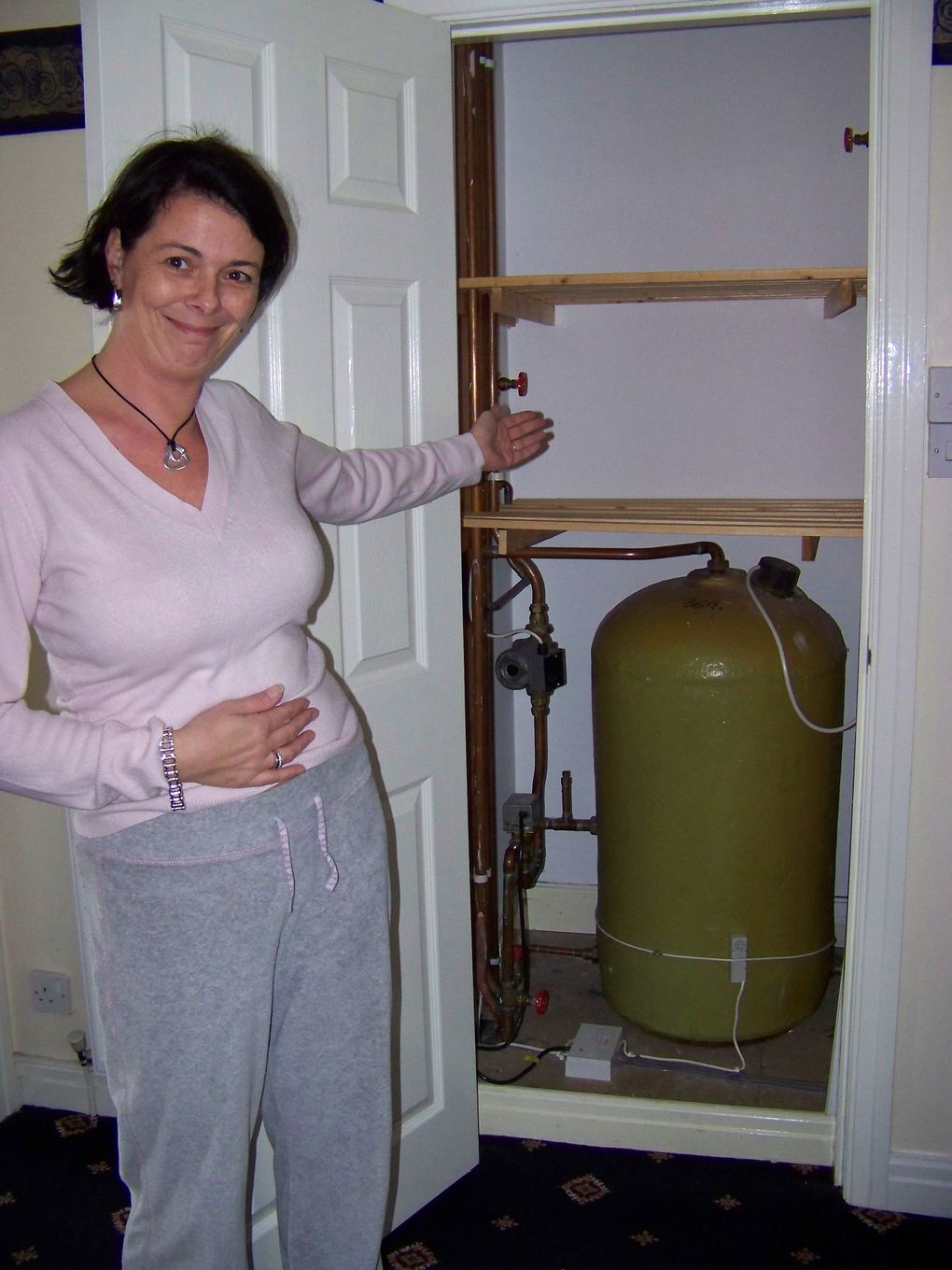
Look for a hot water cylinder, usually in an airing cupboard. If there is one, you do not have a combi. Then look in the loft: one or two tanks up there almost always means a regular boiler, sometimes called a conventional or heat-only boiler.
A cylinder with no loft tanks usually means a system boiler. No cylinder and no tanks means a combi.
Combi boilers
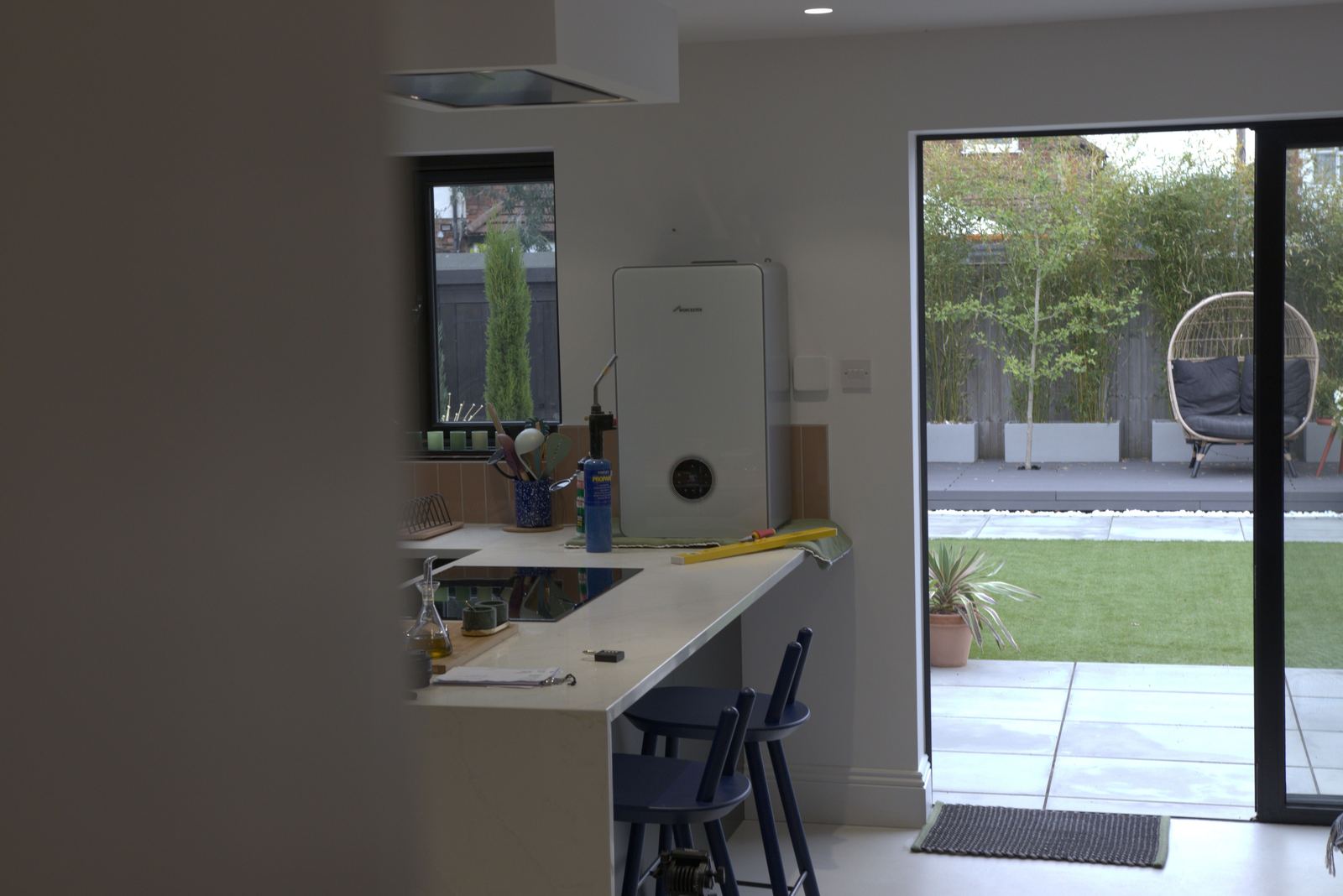
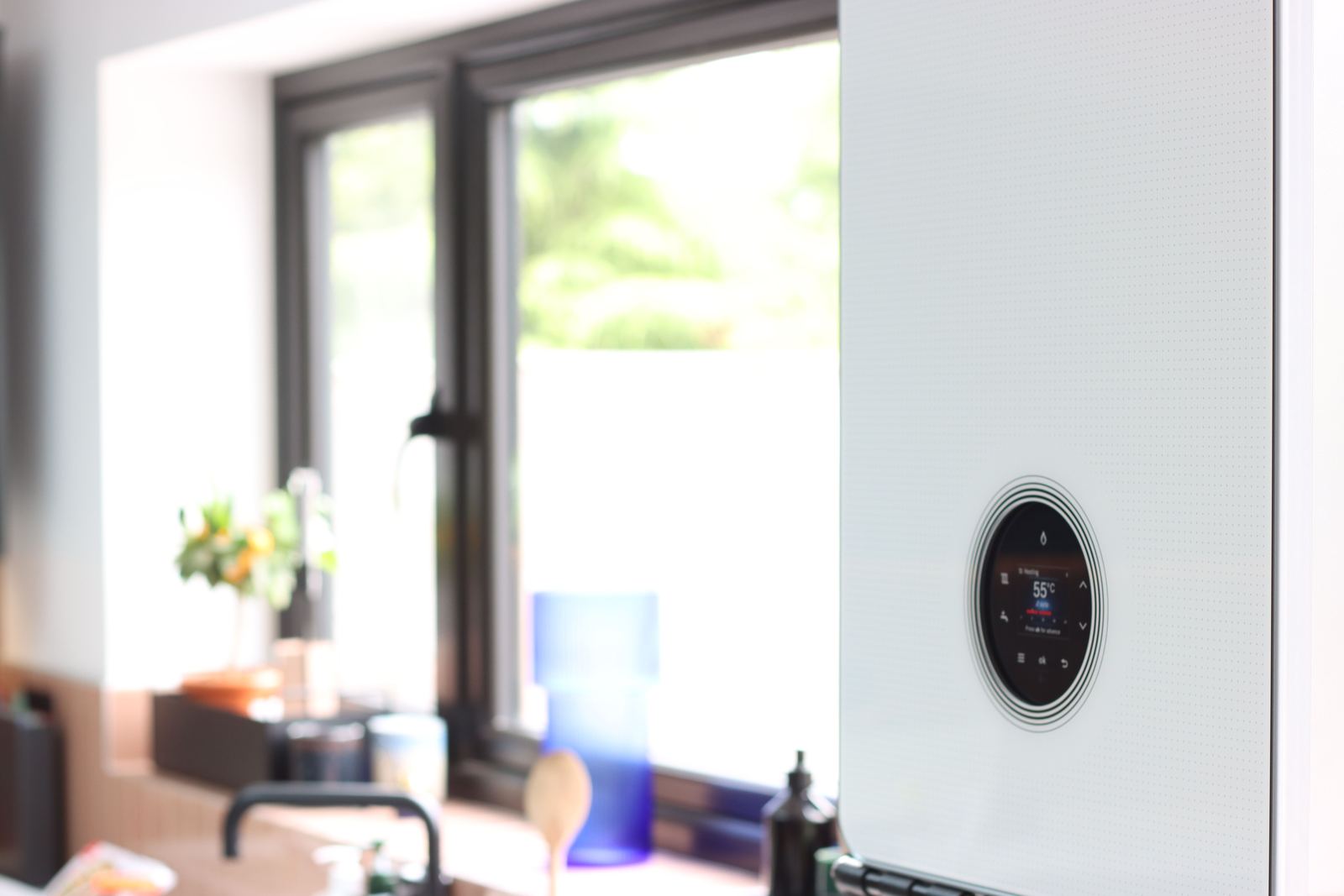
A combi takes cold water straight from the mains and heats it as it passes through, so there is no stored hot water to run out and no cylinder or tanks to house. That is why combis are so common in flats and smaller homes.
The limit is flow. A combi can only heat the water moving through it, so two showers at once each get roughly half. Before fitting one, the installer should measure the flow and pressure at your incoming main.
One appliance also does everything. If a combi fails, you lose heating and hot water together, where a cylinder would have carried you through a day.
System boilers
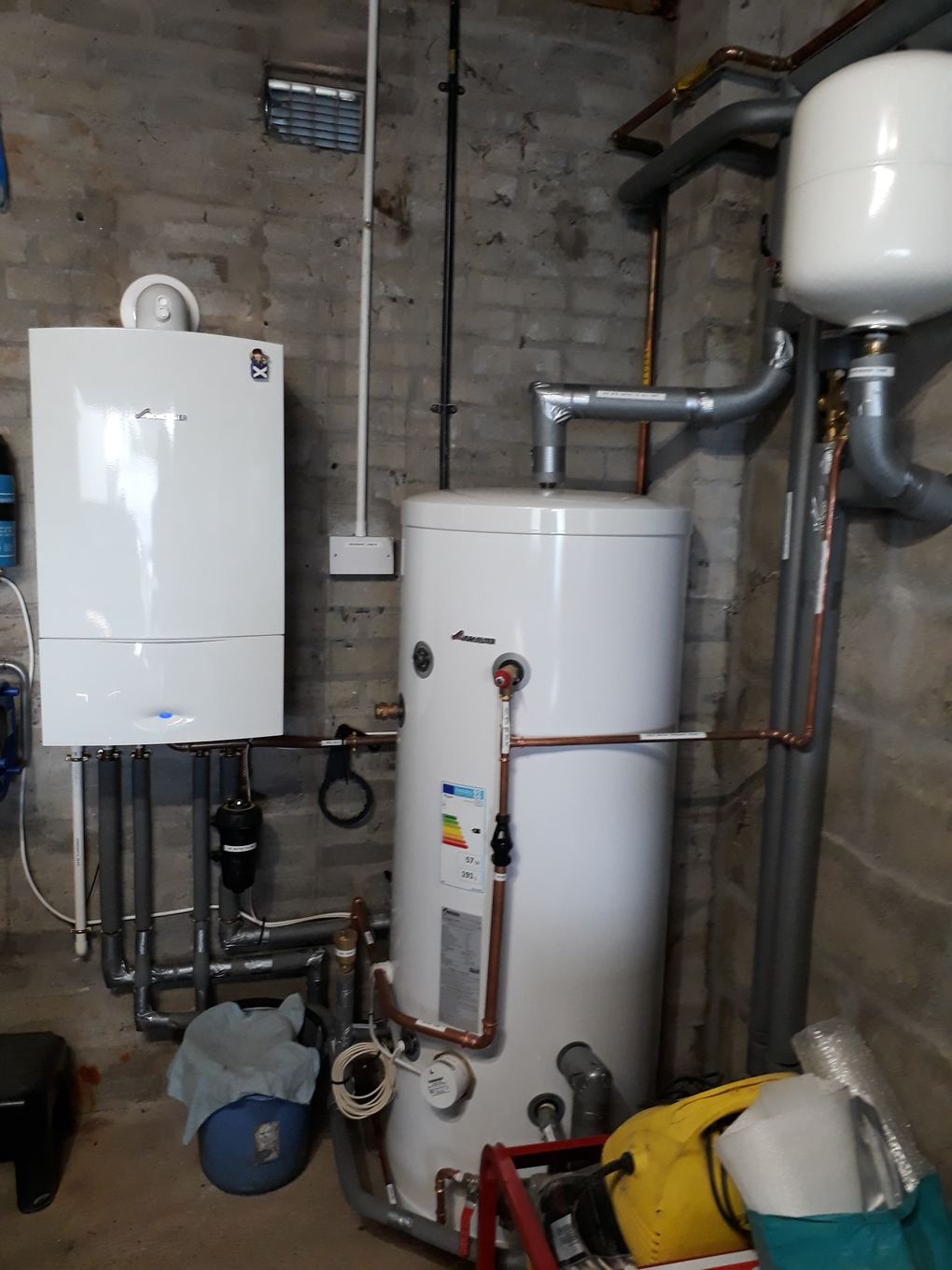
A system boiler heats a cylinder rather than the taps. The pump and expansion vessel sit inside the boiler, and the cylinder is usually fed straight from the mains, so taps and showers run at mains pressure.
It is the usual answer for homes with two or more bathrooms, or where several taps run at once. It also suits homes where the mains flow is too modest for a combi.
The trade-off is space and reheating time. The cylinder needs a home, and once it is empty you wait for it to heat up again, so sizing it to how your household uses hot water matters.
Regular boilers
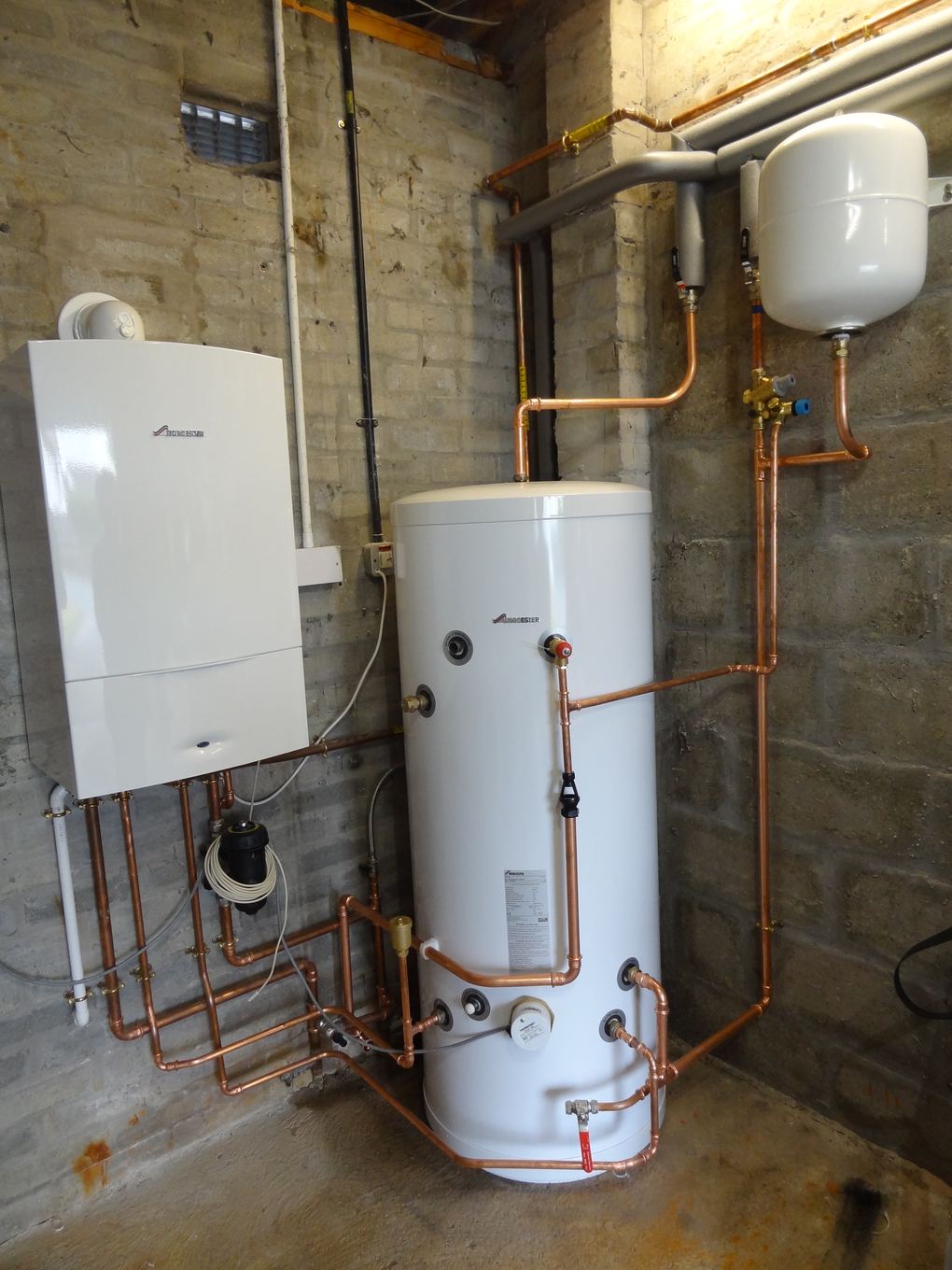
A regular boiler is the traditional set-up: the boiler heats the cylinder and the radiators, a tank in the loft feeds the cylinder, and a smaller tank tops up the heating.
Older homes with gravity-fed plumbing or low mains pressure often keep this arrangement, because replacing like for like is far less disruptive than converting.
The drawbacks are the loft tanks and the pressure. Stored water means hot taps run at whatever pressure the tank height gives, which is why showers in older houses often need a pump.
What changing type involves
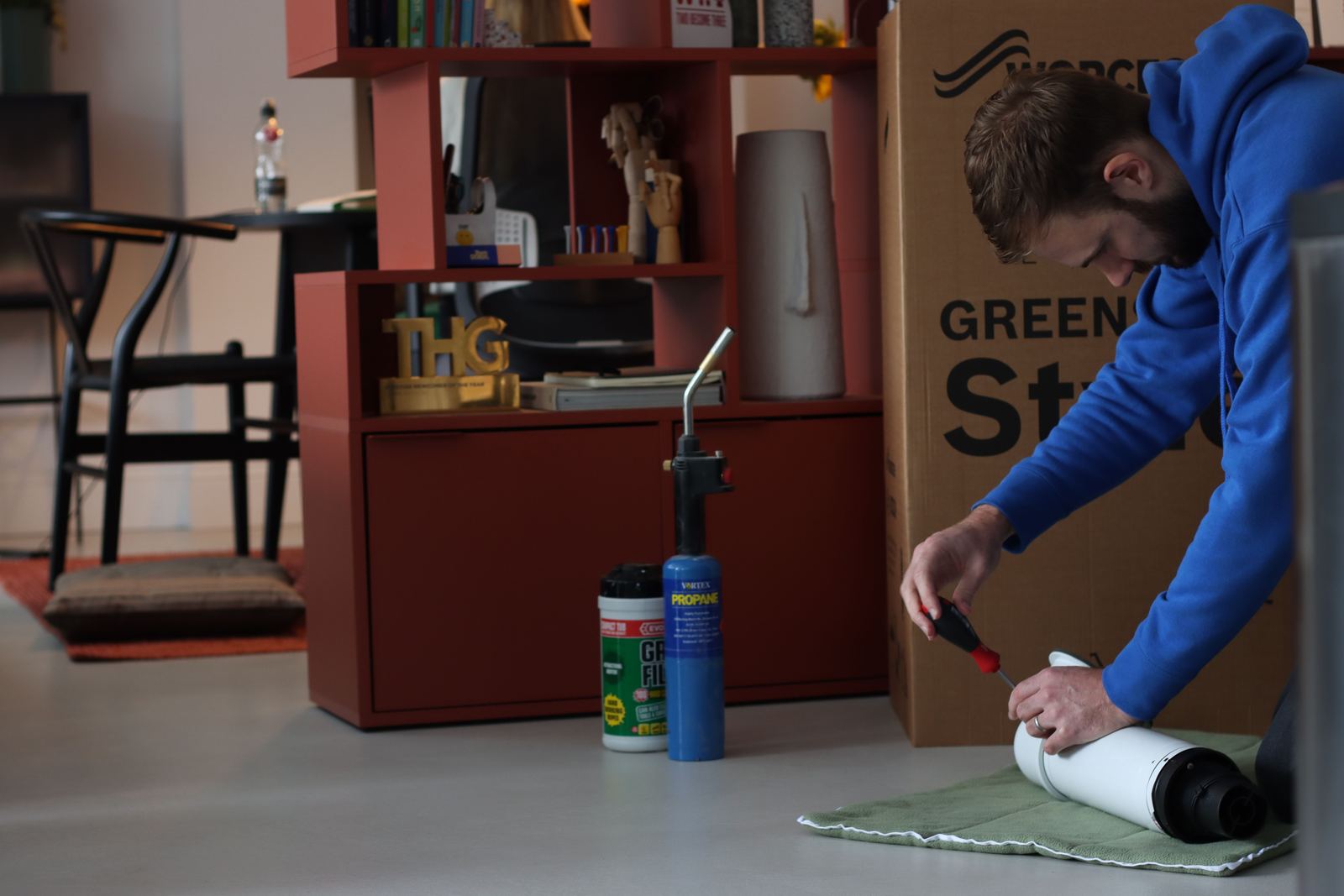
Going from a regular boiler to a combi is the most common change and the most underestimated. The cylinder and loft tanks come out, pipework is capped or rerouted, a suitable cold main runs to the new boiler and the airing cupboard is made good.
Going from regular to system is a smaller step: the loft tanks go and the cylinder is usually replaced with a mains-fed one.
Either way, the conversion is why two quotes for the same house can differ widely. Ask each installer to list exactly which pipework, tanks and making good are in their price.

The questions that decide it
How many bathrooms are there, and is more than one ever in use at once? What is the flow rate at the kitchen cold tap? Is there a sensible place for a cylinder, or is that space worth more as storage? Is a loft conversion planned?
Those answers settle most cases. Put them in your enquiry and the installer can be useful from the first conversation.
Who should fit it
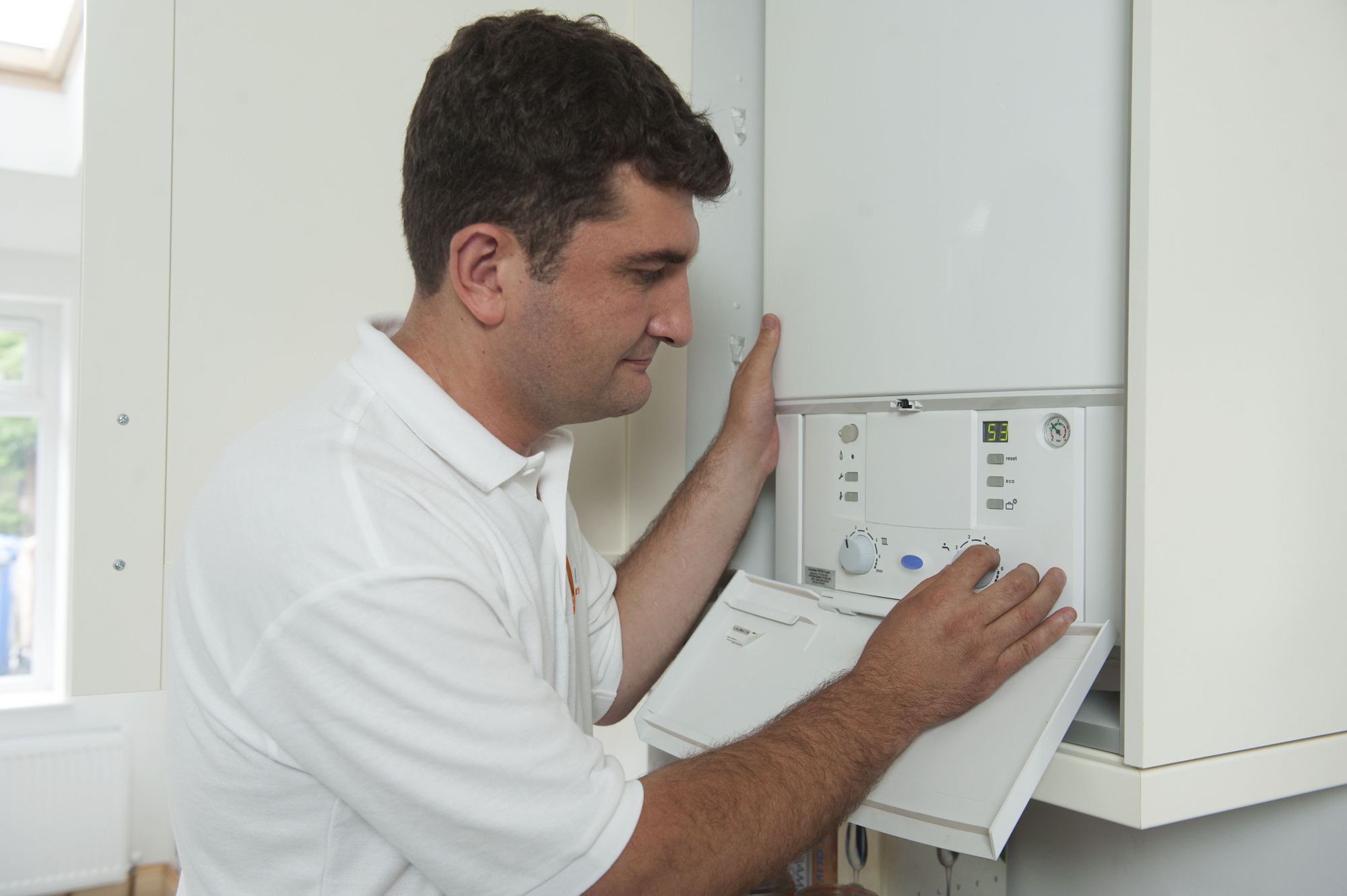
Choosing the type is a judgement about your home. Fitting it is gas work, which must be done by an engineer on the Gas Safe Register, and a mains-fed cylinder needs its own separate qualification on top.
You can check any engineer on the Gas Safe Register website before work starts. When you are ready, see boiler installation in Bristol for how a replacement runs.